 Formula 1 has always stood at the intersection of speed, innovation, and engineering precision.
Since its inception in 1950, the sport has evolved dramatically, driven by technological advancements and regulatory changes. The cars have transformed from simple, front-engined machines into aerodynamically refined, hybrid-powered rockets. This evolution has not only redefined performance but also reshaped the essence of competition itself.
Each generation of F1 cars tells a story of problem-solving, pushing limits, and adapting to ever-changing demands from the sport, the environment, and society. The focus has shifted from raw mechanical power to efficiency, sustainability, and data-driven decision-making. Just as niche markets like crypto gaming have grown through innovative offerings such as a $50 free bitcoin no deposit bonus, Formula 1 has stayed ahead by constantly embracing change and technology to enhance the fan experience and competitive edge.
The modern F1 car is a marvel of hybrid engineering, advanced telemetry, and aerodynamic genius. It reflects a broader trend in sports and entertainment: the integration of high-tech solutions to meet evolving expectations and ensure long-term relevance in a rapidly changing world.
 Mechanical Simplicity to Engineering Sophistication
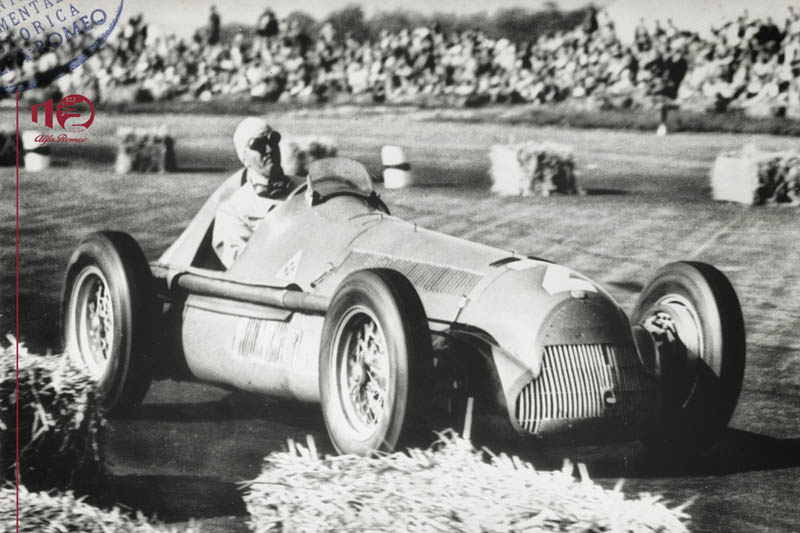
The earliest Formula 1 cars were mechanical purists - lightweight, front-engined vehicles relying on raw power and driver instinct. Their construction was straightforward: steel tube frames, minimal aerodynamics, and naturally aspirated engines. Safety was an afterthought. Drivers competed in open cockpits with limited protection, wearing basic helmets and no seatbelts. But by the 1960s, engineering minds began shifting focus toward efficiency and control rather than just horsepower.
The transition to rear-engined cars revolutionized the sport. Pioneered by Cooper and widely adopted after its success, this design change redistributed weight for better balance and cornering. Then came the rise of monocoque chassis made of aluminum and later carbon fiber, enhancing rigidity and driver safety. From gearboxes to suspensions, every component became an object of constant refinement. These changes weren't merely aesthetic or structural - they altered how cars behaved, how races were won, and how champions were made.
 The Aerodynamic Revolution
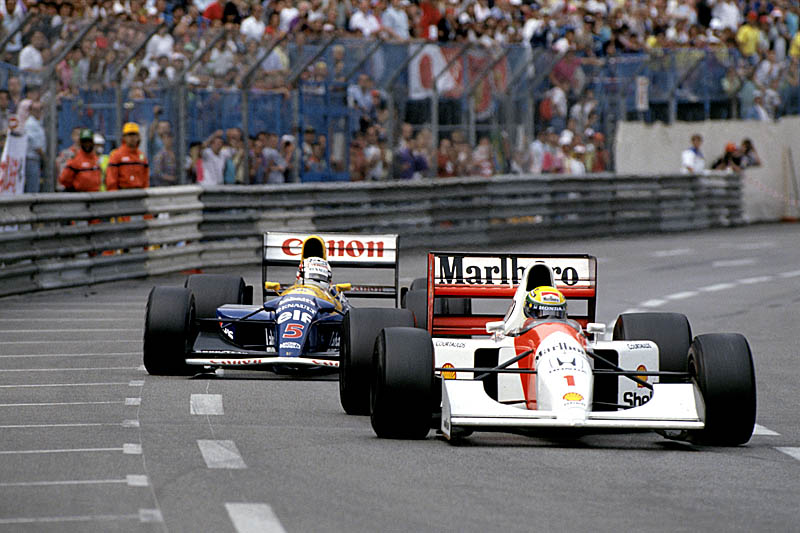
The 1970s and 1980s saw the emergence of aerodynamics as a defining factor in car design. Engineers began to understand that airflow could be harnessed not just to cut drag, but to generate downforce and improve grip. This led to the introduction of front and rear wings, which became standard. Teams started sculpting car bodies like aircraft - more wing, more speed. But this era also marked the beginning of the ongoing battle between performance and regulation. Three key developments reshaped how teams approached design:
1. Ground Effect Technology: Introduced in the late '70s, it allowed cars to 'stick' to the track by manipulating airflow underneath the chassis. The advantage in cornering speed was immense, but so was the danger - especially when cars lost downforce mid-turn. FIA later banned it for safety reasons.
2. Wind Tunnel Testing: By the '80s and '90s, wind tunnels became essential tools. Teams could now simulate airflow, optimize every curve, and measure how the tiniest design change affected performance. Aerodynamics became a science, not just an art.
3. Drag Reduction Innovations: Modern F1 cars use features like DRS (Drag Reduction System), enabling adjustable rear wings to reduce drag on straights and improve overtaking. It reflects how aero is now not only about speed but also strategy.
The aerodynamic arms race continues today, balanced tightly by ever-tightening regulations that aim to promote closer racing while maintaining innovation.
 Hybrid Power Units and the Sustainability Shift
From the roaring V12s and turbocharged V6s of past decades, the power units of today reflect a dramatic shift in priorities. Formula 1's modern engines are complex hybrid systems combining turbocharged internal combustion with advanced energy recovery components. Introduced in 2014, these power units generate over 1000 horsepower while consuming significantly less fuel than previous generations.
The hybrid era isn't just about power - it's about efficiency. Kinetic and thermal energy recovery systems (ERS-K and ERS-H) harvest energy during braking and exhaust processes, storing it in batteries to deploy later. These systems extend performance while minimizing environmental impact. The sound of the cars may have changed, but the engineering behind them represents some of the most advanced automotive technology on the planet.
Sustainability has become a central focus. F1 has committed to using 100% sustainable fuels and achieving carbon neutrality by 2030. As a result, manufacturers now view the sport as a proving ground not only for performance but for clean, scalable energy technologies that can eventually trickle down to consumer vehicles.