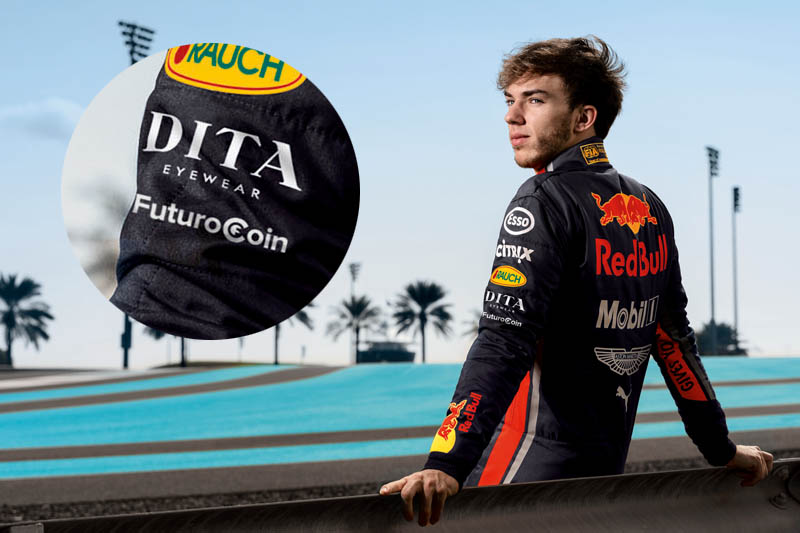
 Last year, Aston Martin Red Bull sent a few interesting shockwaves through the F1 paddock after it emerged that the team would be seeking sponsorship from FuturoCoin.
FuturoCoin, an emerging cryptocurrency, is the first brand of its kind to associate with the sport. The news of this sponsorship set rumours amongst some that crypto would start creeping more and more into the world of motorsport.
A year after Aston Martin Red Bull made the announcement, it seems that the sport is still reluctant to approach the concept of crypto. But why is this? While the team's sponsorship deal opened a big door for teams and fans to embrace digital currency, it seems that things are progressing slower than many will have hoped.
A long way to go
The fact is that the Aston Martin Red Bull deal is just the first foot in the door. While it is over a year since the team set up with FuturoCoin, many are likely waiting for more F1 bodies to accept crypto.
Crypto may be beneficial to businesses and consumers all over the world, but the adoption of digital currency such as FuturoCoin still holds risks for big business. Bitcoin, for example, is still notoriously volatile. This means that it is likely to spike high and dip low. Bitcoin experts will advise that it is always worth riding the waves. However, with big businesses likely having more to lose than most people, it is hardly surprising that F1 is hardly speeding towards the concept.
The partnership with Red Bull was a watershed moment in the sport. "Secure digital currencies are on the leading edge of technological development and we are very excited to be a part of this revolution," boss Christian Horner advised at the time of the deal. Surely, then, it is time for other F1 teams and brands to follow suit.
Benefits for the sport
There are numerous benefits of bringing F1 and cryptocurrency closer together. Crypto is, by design, a global form of currency. By breaking down global financial barriers, F1 teams could allow fans from all over the world to connect with their favourite teams and drivers with greater ease. Merchandising sales could speed up exponentially, and it might also result in a spike in ticket sales for races across the globe.
The benefits of this are already obvious in football. Here, fans grow closer to their brands through easier financial transactions and more secure payments. F1 teams who adopt crypto early may also monopolise on a lucrative market. More and more people are investing in crypto such as Bitcoin, Ethereum and FuturoCoin. Therefore, it stands to reason for big sporting names to start moving with the times.
It has never been easier for everyday people to invest in crypto. For example, anyone interested in investing in Bitcoin could head to www.thebtcprofit.com to monitor their markets. Auto-trading and crypto apps are also helping to make investment simpler for wider audiences.
Shaky legality
Another reason for F1 and other sport being slow to latch onto crypto is for legal matters. In the UK, for example, it is still unclear quite how we should treat cryptocurrency on the whole. Countries such as Australia have willingly embraced Bitcoin to the extent where you can now spend digital money in physical stores.
Applying the same rules to F1, a global sport, isn't as straightforward. Until there is more of a global consensus on where we stand with crypto, it might be a while before we start seeing further adoption. Brave teams like Aston Martin Red Bull, therefore, really are leading the charge.
In a few years, F1 fans could see more crypto sponsorships. We could see crypto brought into F1 e-commerce as well as trackside purchases. F1 is a progressive sport, which makes it a little strange that more teams haven't followed Red Bull's lead.
A bright future for Red Bull
We recently reported that Horner and the Aston Martin Red Bull team are offering sneak peeks of their 2020 car. This season could prove to be a very exciting year for fans of the team. However, it comes after a year of intensive developments behind closed doors.
Aston Martin Red Bull's adoption of FuturoCoin as a sponsor is one of many clear signals that the team is willing to take risks. How will that translate for the upcoming season? Can we expect to see Max Verstappen and Alexander Albon wearing crypto insignia? Let's wait and see.