 You might already be familiar with the Health and Safety Executive (HSE) guidance that pertains to health and safety in your workplace.
Perhaps you have seen safety posters at work; maybe you have been a participating member of your company's health and safety team. But did you know that the HSE's work reaches far beyond offices and factories? It actually makes F1 racing safer as well.
The HSE has published multiple documents over the years providing guidance to motorsport event organisers. The guidance relates to workplace safety for employees as well as general safety for vendors, spectators, race officials, and so forth. When racing event organisers and track owners follow HSE guidelines, everyone involved in a particular event is that much safer.
More Than First-Aid Kits
Those of us not deeply involved with health and safety issues might not fully understand what goes into making an F1 track as safe as possible. Suffice to say that safe racing involves a whole lot more than just visiting the Seton.co.uk website and purchasing a couple of first-aid kits. Safety at the racetrack requires a lot of effort, considerable time, and a significant financial investment.
From the HSE's perspective, safety at the racetrack is divided into two primary categories: general duties of employers and duty of care involving non-employees. Both are equally important in the eyes of the law. As such, event organisers and track owners undertake a series of safety assessments in order to ensure that events and venues are as safe as possible.
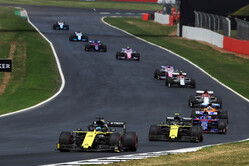 General Duties of Employers
All employers are required to conduct safety assessments at regular intervals. A safety assessment is a rather thorough process that starts with examining the entire premises in question. The appointed person conducting the safety assessment is looking at everything from existing hazards to potential hazards that might arise in the future.
The assessment is followed by several steps involving strategic planning. Safety policies are developed, strategies for dealing with recognised hazards are put in place, and plans are made for dealing with any emergency events that might arise. All of this is put on paper and kept on file in the employer's office.
Conducting a safety assessment is really all about understanding the unique safety issues at every workplace. It is about addressing deficiencies so as to prevent as many workplace injuries as possible. While no safety plan is 100% foolproof, a comprehensive plan developed as a result of a proper safety assessment can mitigate the risks substantially.
In a motorsport setting, the safety assessment looks at those aspects unique to the situation. Motorsports' uniqueness indicates that a typical safety assessment is going to be far different from a comparable assessment in just about any other industry.
Ensuring that spectators and staff have immediate access to a public access trauma first aid kit can make a significant difference during emergencies. Track operators integrate this measure with their broader safety procedures to strengthen their overall emergency response.
 Duty of Care
The duty of care component is the trickier of the two. Why? Because it involves all of the aspects of actual race day events. Duty of care obligations covers spectators in the stands, vendors providing on-site services, volunteers working to make sure the event goes smoothly, on-track officials, members of the media, and on and on.
At the core of motorsports' duty of care obligations are proper event planning. Event organisers undertake their own safety assessments similar to those conducted by employers. The big difference is that their assessments are much wider in scope. Event organisers have to account for:
• the size, scale, and type of event
• the number of anticipated spectators
• the location and duration of the event
• the expected weather and its implications
• any safety concerns related specifically to motorsports.
Obviously, this list is by no means comprehensive. Event safety is a complex beast requiring people with a very specific knowledge set and plenty of experience. Needless to say that it takes the right kind of people to ensure motorsports events go off without a hitch.
The Health and Safety Executive provides all the guides event organisers need to conduct safe events. They also possess a certain amount of enforcement authority as well. If the HSE finds that certain events are conducted without proper safety precautions and policies in place, they can take enforcement action against organisers, venue owners, and employers.
Making the UK Safer
While it is true that HSE regulations can be burdensome at times, said regulations are in place to make the UK safer. We are all safer at the racetrack because of it. Thanks to rules that require employers and event organisers to pay attention to safety issues, you and I can take in an F1 race reasonably assured that we will return home afterward safely and without injury.
Next time you are taking in a race, whether live or on television, remember that the HSE is one of the many partners working to keep races as safe as possible. Their work goes well beyond suggesting employers keep first aid kits on hand.