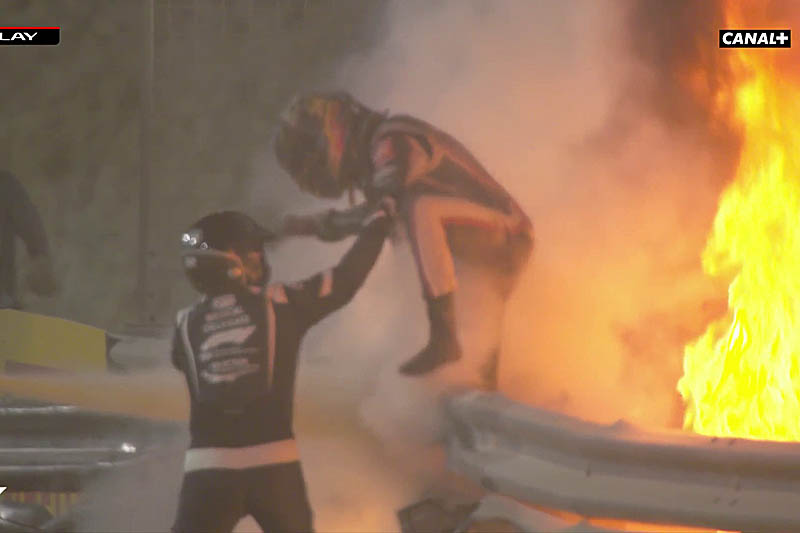
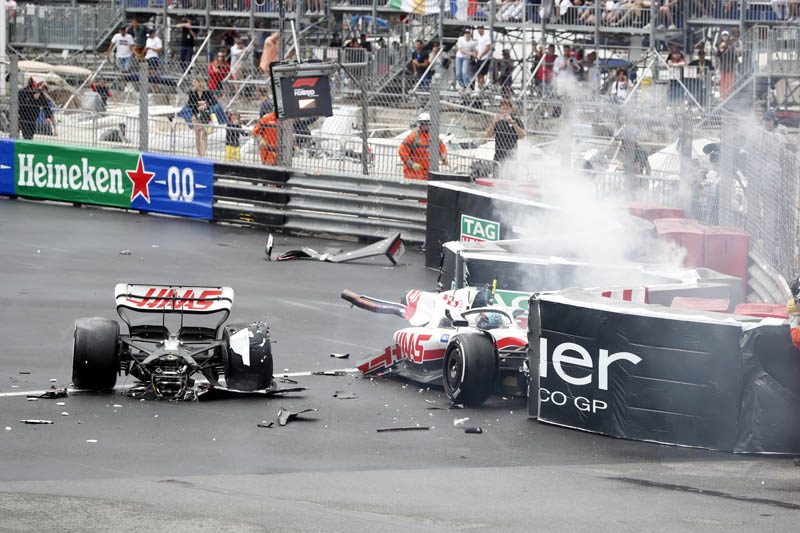
 Formula 1 is synonymous with speed, innovation, and adrenaline.
Yet, behind the captivating spectacle of racing lies an intricate system of regulations designed meticulously to protect drivers, teams, and spectators. While Formula 1 today showcases cutting-edge technology and relentless competition, safety regulations play a critical role in shaping the sport and guiding developments in car design, track construction, and safety equipment. Keep reading to find out more.
Evolution of Safety Standards in F1
Formula 1 racing has always involved substantial risks. The sport's initial years lacked stringent safety measures, with minimal protective gear and sparse medical provisions at race tracks. Early cars prioritized speed above all else, leaving drivers dangerously exposed during collisions and high-speed crashes. Fatal accidents were alarmingly frequent, creating significant pressure for regulatory reform.
Influential drivers like Sir Jackie Stewart drove a significant shift towards improved safety in the late 1960s and early 1970s. Stewart passionately advocated for better protection, which resulted in compulsory fire-resistant clothing, reinforced cockpits, and more robust helmets. These changes marked the first major steps towards formalized safety protocols in Formula 1.
The Grand Prix Drivers' Association (GPDA), re-established during this period, further strengthened drivers' influence on safety matters. It allowed drivers to voice collective concerns directly to the FIA, pushing for stricter safety requirements and systematic enhancements to track conditions.
Today, the legacy of these early advocates is evident in the rigorous safety standards that underpin every aspect of Formula 1. The sport's regulators remain vigilant, continuously refining standards in response to both accidents and technological advancements.
Road Safety and Wider Motorsport Influence
Safety advancements in Formula 1 frequently influence broader automotive technology. Innovations developed within F1, including enhanced braking systems and advanced crash structures, regularly transition into commercial vehicles, improving general road safety worldwide.
Technologies such as ABS braking, electronic stability control, and crash-absorbing chassis structures initially developed for racing now form standard safety features in road cars. Regulatory-driven innovation in F1 thus significantly contributes to reducing road traffic injuries and fatalities globally.
 Personal Motorsport and Recreational Safety
Safety doesn't stop at the professional level. Motorsport enthusiasts and amateur racers should also consider comprehensive safety measures, extending beyond the track. Just as F1 drivers depend on rigorous safety standards, hobbyists and professional cyclists alike can benefit from protective practices in their sport.
Cyclists, particularly in regions known for vibrant outdoor activities like California, face risks similar to racers. Incidents and accidents are unfortunately common, highlighting the importance of adopting suitable protection strategies. Enthusiasts should invest in bike insurance in California as part of their comprehensive safety strategy. Such insurance offers vital protection against accidents, theft, and damages, ensuring enthusiasts can pursue their passion securely.
Alongside insurance, proper protective gear like helmets, reflective clothing, and safety training courses significantly reduce risks. These practices help establish safety as a priority in recreational activities, mirroring the approach seen in professional racing circuits.
How Regulations Have Shaped Car Design
Formula 1 vehicles today reflect decades of safety-focused innovation. The introduction of carbon fiber monocoque chassis, mandatory since the early 1980s, revolutionized driver safety. These chassis structures significantly improved crash resistance, protecting drivers during severe collisions.
Safety regulations also introduced mandatory side-impact protection structures, reducing risks from lateral collisions. Additionally, wheel tethers became compulsory to prevent detached wheels from causing secondary accidents during crashes. These innovations collectively represent how regulations directly shape the evolution of racing technology.
The Halo device, which was mandated by the FIA in 2018, is another clear example of a safety-driven design. Initially controversial, this protective barrier has since been credited with saving drivers from serious injury, highlighting the necessity of proactive safety regulations.
 Track Safety and Regulatory Influence
Circuit safety has undergone substantial evolution thanks to FIA mandates. Modern tracks are designed with extensive run-off areas, replacing previously common gravel traps and concrete barriers. Advanced barriers such as Tecpro systems and tire walls provide significantly better crash absorption.
Regular inspections and strict certification processes ensure that circuits maintain compliance with current safety standards. This includes evaluating barrier integrity, emergency response facilities, and track evacuation procedures, ensuring consistent safety across all events.
The rigorous standards enforced by the FIA have not only enhanced safety but also encouraged continuous innovation in track construction and maintenance. Recent advancements include electronic warning systems, improved drainage to prevent hazardous conditions, and detailed contingency planning for adverse weather.
Advances in Driver Safety Equipment
Formula 1's regulatory approach has drastically improved driver safety equipment. Helmets now incorporate advanced composite materials designed to withstand extreme impacts. Biometric gloves monitor vital signs, allowing immediate medical assessment following an incident.
Fire-resistant suits and the Head and Neck Support (HANS) device further exemplify mandatory equipment upgrades. These innovations significantly reduce injury risks associated with collisions and fire hazards, demonstrating the FIA's commitment to comprehensive driver protection.
Further enhancements include survival cells engineered to maintain structural integrity during severe crashes, advanced seat harnesses, and cockpit padding to mitigate impact forces. All these measures collectively ensure maximum driver protection.
Importance of Training and Preparedness
Safety regulations extend beyond physical equipment, encompassing thorough training and preparedness programs. Formula 1 drivers regularly participate in simulation exercises covering various emergency scenarios, enabling swift, correct responses during real incidents.
Teams undergo regular practice drills, simulating pit stops, emergency evacuations, and accident responses. These exercises ensure readiness for any eventuality, minimizing confusion and maximizing efficiency during critical situations. The FIA mandates that teams meet strict guidelines in their training, ensuring uniform preparedness across all participating entities.
Medical and Emergency Response Improvements
Medical preparedness has greatly benefited from FIA regulations. Each circuit must meet stringent medical standards, ensuring rapid, efficient responses during emergencies. Dedicated medical teams equipped with state-of-the-art equipment and ambulances, alongside helicopter evacuation facilities, significantly reduce response times following accidents.
Continuous training for medical staff, regular scenario drills, and comprehensive medical infrastructure at every race ensure optimal care, drastically enhancing survival and recovery rates for injured drivers. The FIA continuously updates medical protocols, including advanced trauma care and telemedicine capabilities for immediate expert consultation.
Future of Formula 1 Safety
Formula 1 continues evolving its safety standards in line with emerging technologies and new challenges. Virtual simulations increasingly support safer track design, while biometric monitoring enables real-time health tracking of drivers. Future innovations in barrier technology and automated safety response systems promise even greater protection.
Safety regulations will remain adaptable, continuously informed by technological advancements and historical learnings, guaranteeing Formula 1 maintains its thrilling essence without compromising driver safety. Ongoing research into autonomous safety vehicles and artificial intelligence-driven monitoring systems could further revolutionize incident response times and predictive safety measures.
Additionally, sustainability considerations are becoming intertwined with safety regulations, leading to environmentally-friendly safety solutions such as biodegradable barriers and energy-efficient medical support vehicles.
The Ongoing Commitment to Safety
Safety is embedded deeply within the fabric of Formula 1. This commitment ensures the sport evolves responsibly, protecting everyone involved while maintaining the excitement fans worldwide cherish. Continuous refinement of regulations illustrates Formula 1's dedication to safeguarding its future through proactive safety management.
The commitment extends beyond technical measures; it encompasses fostering a safety-oriented culture across the entire Formula 1 community. Drivers, teams, organizers, and fans alike are encouraged to prioritize safety awareness and advocate continuously for enhancements. Collaborative efforts among stakeholders ensure safety remains central to the sport's identity and growth, emphasizing that safety is not merely regulatory compliance but a shared, fundamental responsibility.