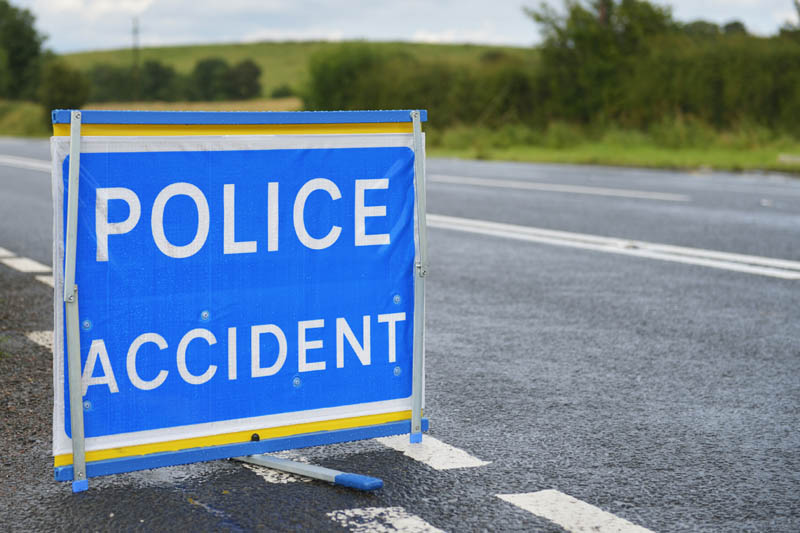
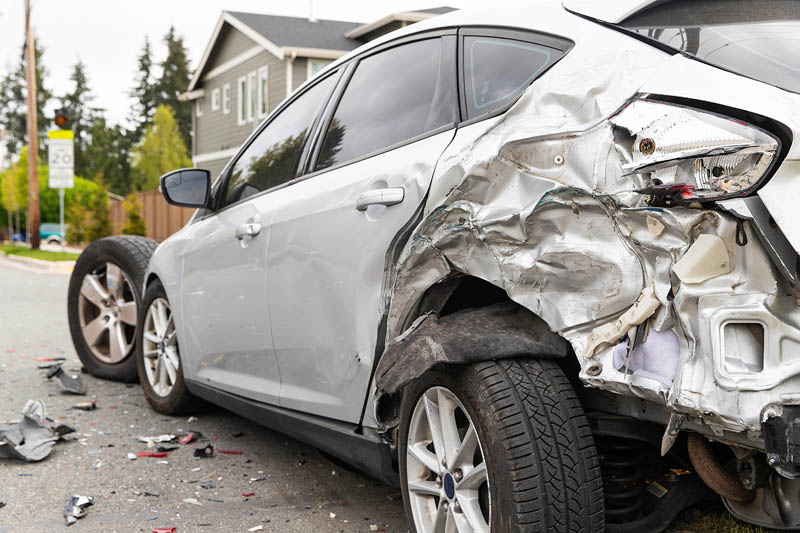
It is very clear that in the UK, insurance is legally required when driving a vehicle on the roads.
This law is in place to ensure that there is some form of financial protection in place when accidents and injuries occur. It usually stops anyone involved in a crash from having to endure legal proceedings to gain compensation, as an insurance claim can simply be put into place.
Car insurance also brings many other benefits to the policyholder including protection when a car is vandalised, stolen, or breaks down. The latter is of great benefit for anyone relying on their vehicle for an income, especially the self-employed.
Understanding how to calculate your car insurance is crucial when choosing a policy that fits your needs. Driving history, vehicle type, and intended use - whether for personal or work purposes - play a significant role in determining your premiums.
It was reported in August 2022, that Uber had attracted a record number of drivers, as inflation soared, and the cost of living rose yet again. More people now are using their cars and vans as a way to make extra money, but not everyone is aware of the necessity to change their insurance policy.
Are you using your vehicle for work and pleasure?
In March 2022, just over 200,000 private hire vehicles were registered in the UK. But, there were more than 330,000 active PHV licences in the nation. This can be explained by the fact that driver's licences last longer than those for vehicles. And unfortunately, many drivers lost work during Covid.
Now though, more than ever, individuals are looking for extra work involving driving. The risk though, is that many people who are moonlighting are doing so on the wrong insurance. If you are driving to earn a few extra pounds, and you're still on your standard car insurance you will need to change. Reading Zego's Guide to SDP car insurance helps to understand what is covered, and what isn't.
Car insurance is relatively simple normally, but if you use your vehicle for work too then it gets a little more complicated.
 What work related activities are ok on regular car insurance?
It's perfectly okay to drive to work and back home at the end of the day. Indeed, driving a car is the most common mode of transport when travelling to work in the UK. Cars account for around 68% of journeys when going to and from workplaces.
Insurance companies accept this as a necessity and don't classify it as work-related in any way. But, they do look at other activities differently.
If you use your vehicle to carry out any work-related tasks your personal car insurance will not protect you if you have an accident. Running errands for your work, or visiting a customer's home or workplace is classed as work-related. There are legal issues surrounding car crashes sometimes, as you would discover if you find your insurance invalidated by using your car for work.
What kind of vehicle insurance is required for work?
As mentioned already, if you are employed and using your vehicle just to get to work and back there is no need for anything other than personal car insurance. However, if you are now using your car or van to make some extra cash you need to change your policy to get additional cover.
Grand Canyon State residents are often researching SR22 insurance savings in Arizona to find a cost-effective way of playing by the rules financially. You need to check out what protection you have, and what you need before you take on any extra work using your vehicle.
There are specific policies in place for Uber drivers, limousine drivers, and couriers, and food delivery insurance is available also.
If you are working part-time, or regularly, as a taxi driver then you need to make sure you have the right insurance too. This is fairly simple to understand, but its importance can't be understated.
Private and public hire insurance is available for taxi drivers, and they cater to different requirements. Public hire cover is for drivers who operate out of taxi ranks or pick up passengers when hailed. Private hire insurance is for drivers who only pick up pre-booked customers.
Some policies cover both these types of taxi drivers. Yet, if you hold private hire insurance, you cannot operate in the way a public taxi driver does, and the reverse holds true too.
 When don't you need to be insured?
Fortunately, there is a legal requirement for drivers to have valid insurance before they hit the UK's roads. Nevertheless, there are a few times when you don't need car insurance.
It may surprise you that even if your car isn't driven, and is kept in your garage, it may still need insuring. And the police can locate it easily.
But, if your vehicle has been off the road for a long time or has been scrapped and notification is given, you don't need to be concerned with insurance. There are a couple of other reasons for not insuring a vehicle that are legally accepted, but normally you will need insurance.
Summary
Driving for a living can be a highly enjoyable job at times. Many kids grow up wanting to know how to become a professional racer, but becoming a taxi driver or courier is sadly more realistic for most people.
Using your car to make a few extra bob is more viable now with apps and the gig economy in place, but you need insurance not just when driving for pleasure, but for work too.